
Prepare Your Property for What Comes Next
Excavation services in Davenport for foundations that need precision earthwork and stable base preparation
TILT Excavation and Land Clearing provides excavation services throughout Davenport, Airway Heights, Reardan, and the surrounding rural areas, handling the digging and earthmoving work that precedes most construction projects. Whether you're preparing for a new shop building, adding onto your home, or installing underground utilities, excavation establishes the base conditions that determine how the rest of your project unfolds. You're working with a crew that understands the difference between moving dirt and reshaping ground to meet grade, drainage, and structural requirements.
Excavation involves removing or relocating soil to create the space and contour your project requires. That includes digging to specified depths for footings, carving out paths for utility lines, and adjusting elevations so water moves away from buildings instead of pooling near foundations. The work accounts for soil type, existing drainage patterns, and the load-bearing requirements of whatever structure will sit on top. In rural areas around Davenport, properties often include uneven terrain, rocky subsoil, or slopes that require careful handling to avoid erosion or settlement issues down the line.
Reach out to discuss your excavation needs and get a detailed quote based on your property layout and project scope.
What Happens During the Earthmoving Process
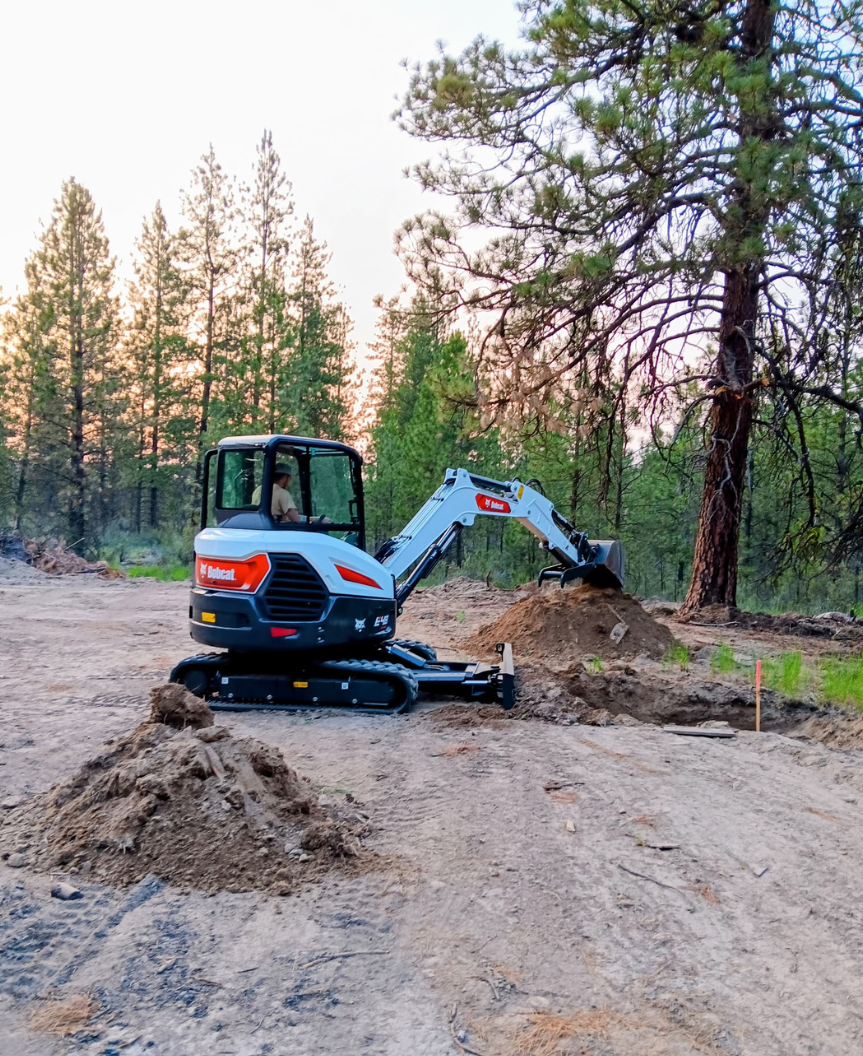
You'll see equipment sized to match the job, from compact machines for tight residential lots to larger units for commercial site work or properties with significant elevation changes. The crew confirms utility locations, and begins excavation according to the depths and dimensions your project requires. Soil is either stockpiled for backfill, graded into berms, or hauled off depending on volume and site conditions.
After excavation is complete, you'll notice level surfaces where there were slopes, open trenches where utility lines will run, and clean edges around foundation areas. TILT Excavation and Land Clearing coordinates timing with the next phase of your project so excavated areas remain stable and ready for formwork, gravel base, or utility installation without delays or weather-related complications. The team also ensures proper subgrade conditions are in place to support formwork setup, gravel base installation, and utility work as your project moves forward.
The process includes compacting disturbed soil in stages, managing spoil piles to avoid runoff, and maintaining safe access routes for contractors and equipment. If bedrock or unexpected groundwater appears, the crew adjusts methods to keep the project moving without compromising structural integrity. Excavation does not typically include permitting or engineering stamps, though permitting may be handled in some cases depending on the project. TILT Excavation and Land Clearing requests utility location services prior to digging and works around marked lines, following site plans provided by your builder or engineer.
Here are answers to common questions about excavation services and what to expect during the earthmoving phase of your project.
Questions About Excavation Work in Davenport
What type of excavation is needed for a pole barn foundation?
Pole barn foundations typically require post hole excavation combined with light site grading to create a level building area. Holes are dug at set intervals for support posts, and the surrounding soil is compacted to ensure long-term stability and proper drainage.
How does rocky soil affect the excavation timeline?
Rocky subsoil in the Davenport area often requires hydraulic hammers or rippers to break up material before removal, which can extend the timeline by a day or two depending on rock density and excavation depth.
When should excavation happen relative to other site work?
Excavation should follow land clearing and precede any foundation or utility work so the site is shaped correctly and access routes remain intact for concrete trucks and material deliveries.
Why does the building site need compaction?
Compaction is what gives your building site a stable, long-lasting foundation. When soil is disturbed during excavation, it becomes loose and uneven, which can lead to settling over time. By compacting the soil in controlled layers, the ground is strengthened to properly support structures, driveways, and slabs. This helps prevent issues like cracking, shifting, drainage problems, or foundation failure down the line, ensuring your project is built on solid ground from the start.
How is drainage managed during excavation?
Temporary berms or shallow channels direct runoff away from open excavation areas, and final grading ensures water flows toward designated drainage points rather than pooling near foundations.
If you're planning a build or addition and need earthwork handled before construction begins, contact TILT Excavation and Land Clearing to schedule a site visit and review the excavation requirements for your project in Davenport.