
Install the Lines Your Property Depends On
Utility Trenching in Davenport for properties that need buried infrastructure for water, drainage, or power systems
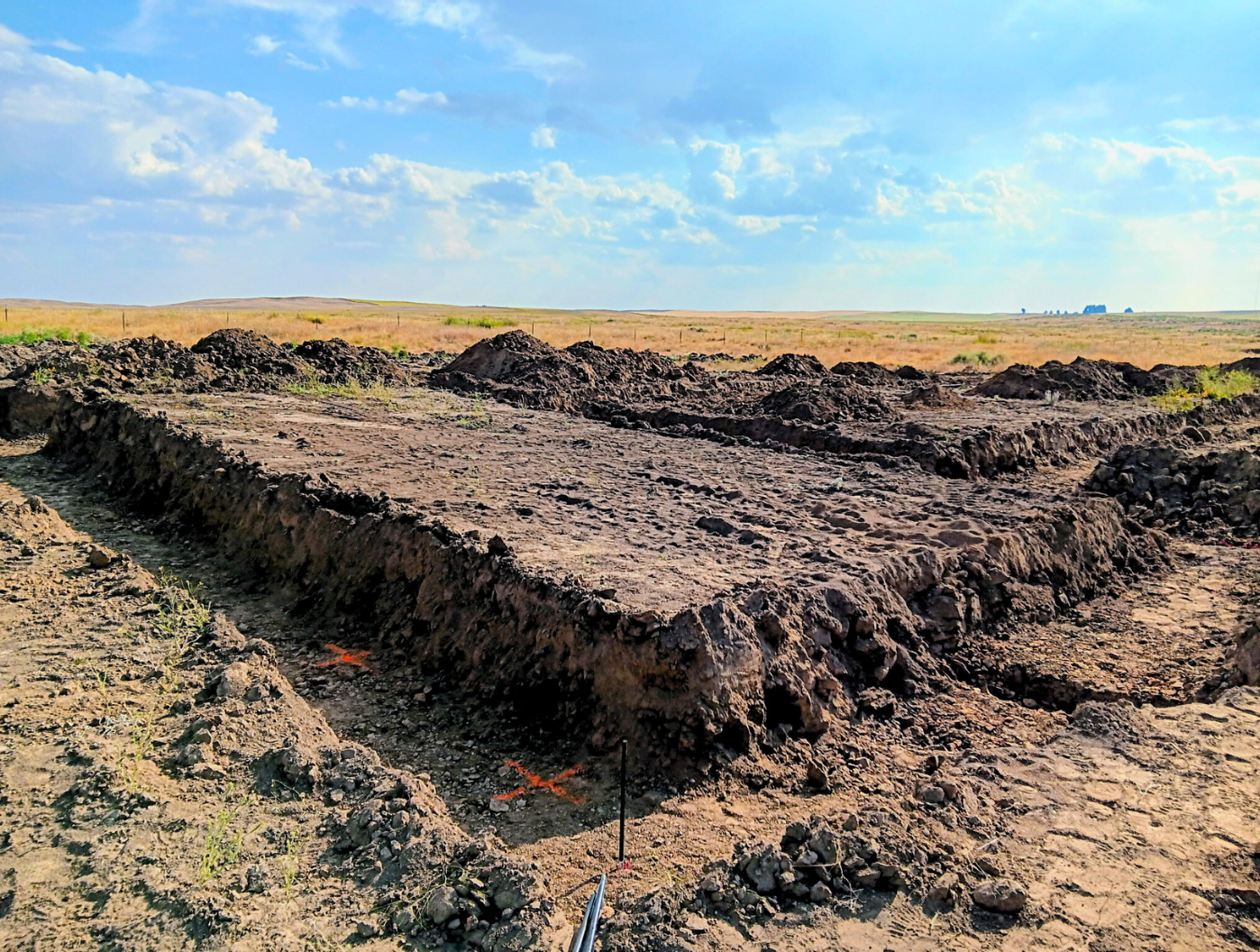
TILT Excavation and Land Clearing provides utility trenching services across Davenport, Creston, Reardan, and surrounding rural properties, digging the channels that carry water lines, drainage pipes, and electrical conduit from the road to your buildings or between structures on your land. If you're building a new home, upgrading an aging well system, or adding a shop that needs its own utilities, trenching creates the underground pathways that deliver water, remove waste, and supply power. You're working with a crew that understands the depth, slope, and bedding requirements that keep utility lines functioning long after the trench is backfilled.
Utility trenching involves excavating narrow channels to specified depths, placing pipes or conduit, and backfilling with compacted material that protects the line and prevents settling. The work accounts for frost depth, drainage slope, and clearance from other buried infrastructure. In the Davenport area, trenching often crosses rocky soil, clay layers, or terrain with seasonal groundwater, all of which require adjustments to equipment and methods to avoid damaging lines or creating future maintenance problems.
Reach out to discuss trenching for your utility installation and get a quote based on the length, depth, and soil conditions affecting your property.
How Trenching Supports Property Infrastructure
You'll see compact excavators or trenchers that cut precise channels, minimizing disturbance to surrounding ground while reaching the required depth for frost protection or gravity flow. The crew follows utility locates, maintains safe distances from existing lines, and checks trench depth with a laser level or measuring stick. Bedding material, typically sand or pea gravel, is placed around pipes to prevent point loads and allow for settling.
After trenching and backfill are complete, you'll notice restored grade where the trench ran, with utility lines safely buried and protected from frost, traffic, and surface water. TILT Excavation and Land Clearing coordinates trenching with plumbers, electricians, or septic installers so pipes and conduit are placed at the correct depth and slope before backfill begins, avoiding costly rework or delays.
The process includes compacting backfill in layers to match the density of surrounding soil, marking utility paths for future reference, and sloping trenches to ensure drainage lines flow without creating low spots that trap water. Trenching services can include pipe supply, pressure testing, and electrical conduit installation depending on the project, and the crew coordinates with licensed tradespeople to keep everything moving efficiently. If bedrock or hardpan is encountered, rock saws or hydraulic hammers may be used to reach the required depth.
Here are answers to questions property owners in Davenport and neighboring communities often ask when planning trenching for water lines, drainage systems, or underground utilities.
Common Questions About Utility Trenching
What depth is required for water lines in Davenport?
Water lines are typically buried at least four feet deep to stay below the frost line and prevent freezing during winter months when temperatures drop well below freezing.
How is slope maintained for drainage trenches?
A laser level or transit is used to check grade as the trench is dug, ensuring a consistent fall of at least one-quarter inch per foot for gravity-fed drainage lines.
When should trenching be done relative to other site work?
Trenching should follow rough grading but precede final surface treatments so utility lines are in place before driveways, landscaping, or concrete slabs are installed.
Why is bedding material used around pipes?
Sand or gravel bedding cushions pipes against rock or hard soil clods, distributes loads evenly, and allows for minor ground movement without stressing joints or fittings.
How are existing utilities protected during trenching?
Utility locates are requested before work begins, and hand digging is used near marked lines to confirm depth and position before mechanical excavation continues.
If you're planning utility installations and need trenching handled before lines are laid, contact TILT Excavation and Land Clearing to schedule a site visit and review the specific conditions affecting your property in Davenport.